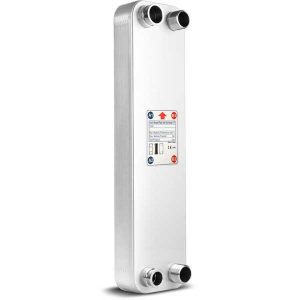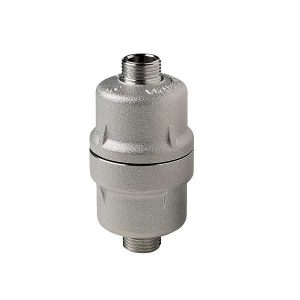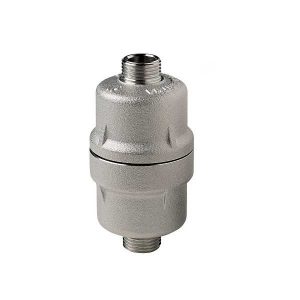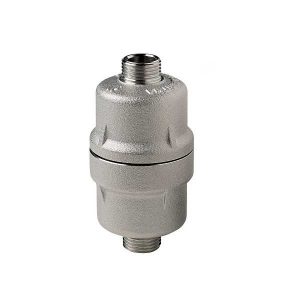
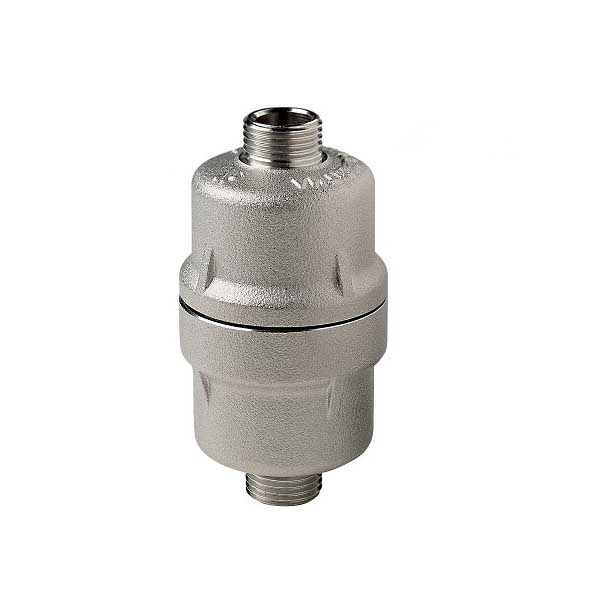
Specifications for magnetic stricture
One of the most common types of pollutants that have been investigated for drinking water is the “hardness” of water. The exact definition of the water hardness is the sum of the total number of soluble soluble copper in the water, but given that the highest amount of these cations goes back to calcium ion and magnesium, it is mainly water hardness in the simpler definition, the total amount of magnesium ions and calcium in water Conclusion: The difficulty is the passage of water through gems or soft gems, which is the source of calcium and magnesium cations. Therefore, groundwater is likely to be of high hardness.
Extreme difficulty in water usually has symptoms that most commonly include:
– Creation of deposits in plumbing equipment and systems:
High hardness water, when heated, forms calcium carbonate. This is especially true in home-based equipment in the home. The formation of deposits in the plumbing equipment and system will reduce their efficiency, damage, and ultimately increase the cost of repair and replacement, as well as sedimentation with mechanical and high-cost machinery and stop them.
– Reduce the effect of consumables:
Detergent (eg soap), when exposed to high hardness water, reacts with calcium in water. In this chemical reaction, sodium in the fatty acid detergent replaces itself with water ion calcium. The result of this reaction is to prevent good cleaning of these materials. This reduces the effectiveness of the wash and increases the amount of detergent used. This applies to all types of washing with these materials, such as hand washing, body, hair and clothing.
– Make deposits and stains on kitchen utensils and glasses:
The problem with taking a kettle is one of the most common ones because of the high water hardness. Another example is when you remove the dishes in the dishwasher, and you still see stains on the dishes.
– Dry and itchy skin and scalp
– Reduced head condition
– White Satin spots on the tub and the walls of the bathroom
Therefore, the use of magnetic rigidities is recommended to increase efficiency and reduce costs. The core of these hardships is to neutralize calcium crystals. Joining calcium in water to liberated carbon dioxide Calcium crystals make these crystals create heavy harshness on inner tubes, lions, coils and boilers, and so on.
How to handle the magnetic stroke
Due to the flow of water flow at a suitable linear speed from the magnetic field of the device, based on the principle of electromagnetic induction, the flow of nutrients from the magnetic field affects the nucleus and the crystallization of Ca and HCo3 ions and causes the deformation of calcium carbonate deposits from calcite to argonite Which ultimately forms an unformed mass of aragonite microcrystalline that flows into the water (emulsion) and the tendency to precipitate on the wall of the facility in contact with water and with the flow of water in an audio system from the system Passes and drains, and it drains out of the circuit in a cycle depending on the time drai n
Advantages
1. Installation is very easy and maintenance free
2. No need for electricity and battery due to the use of a strong permanent magnetic field
3. Hardness without using additive chemicals and maintaining water health
4. Increase the efficiency and efficiency of the system
5. The use of electro-magnetic detergent is not water-repellent and does not have a fog so it is environmentally compatible.
applications
1. Ability to use in a variety of heating systems, water heaters, chillers, cooling towers, heat exchangers, heating and cooling packages.
2. Ability to use in a variety of air conditioning systems
3. Usability in home systems such as washing machines, faucets, water coolers and …
4. Usability in the pool, sauna, jacuzzi, water boilers and coil sources
Warranty and after-sales service
RBMs have one year warranty.